
Looking for inexpensive New York science curriculum activities for your fourth grade students? Each of these resources addresses the intent of your standards while engaging kids in hands-on learning. You may purchase these budget-friendly materials individually or as a full-year program.
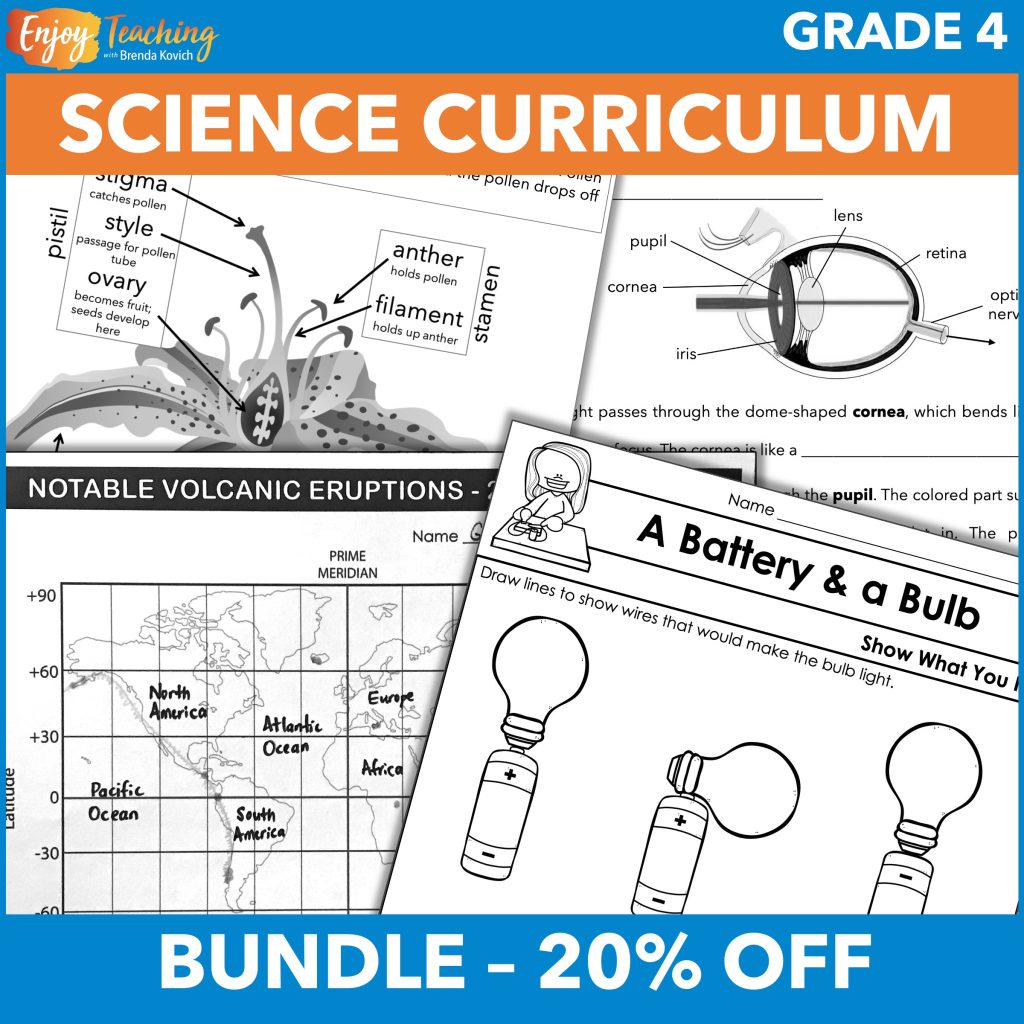
This science curriculum bundle addresses all Next Generation Science Standards. Although New York has not adopted the NGSS, its fourth grade standards were created with the same wording. Therefore, when you use these activities, you will address the intent of your state standards.
When you purchase the bundle, you’ll get modules that cover all standards at a discounted price.
New York Science Curriculum Activities for Energy
In New York, the science curriculum includes activities on speed and energy, forms of energy, collisions, and natural resources. Engineering design is also incorporated in the lessons.
Speed & Energy
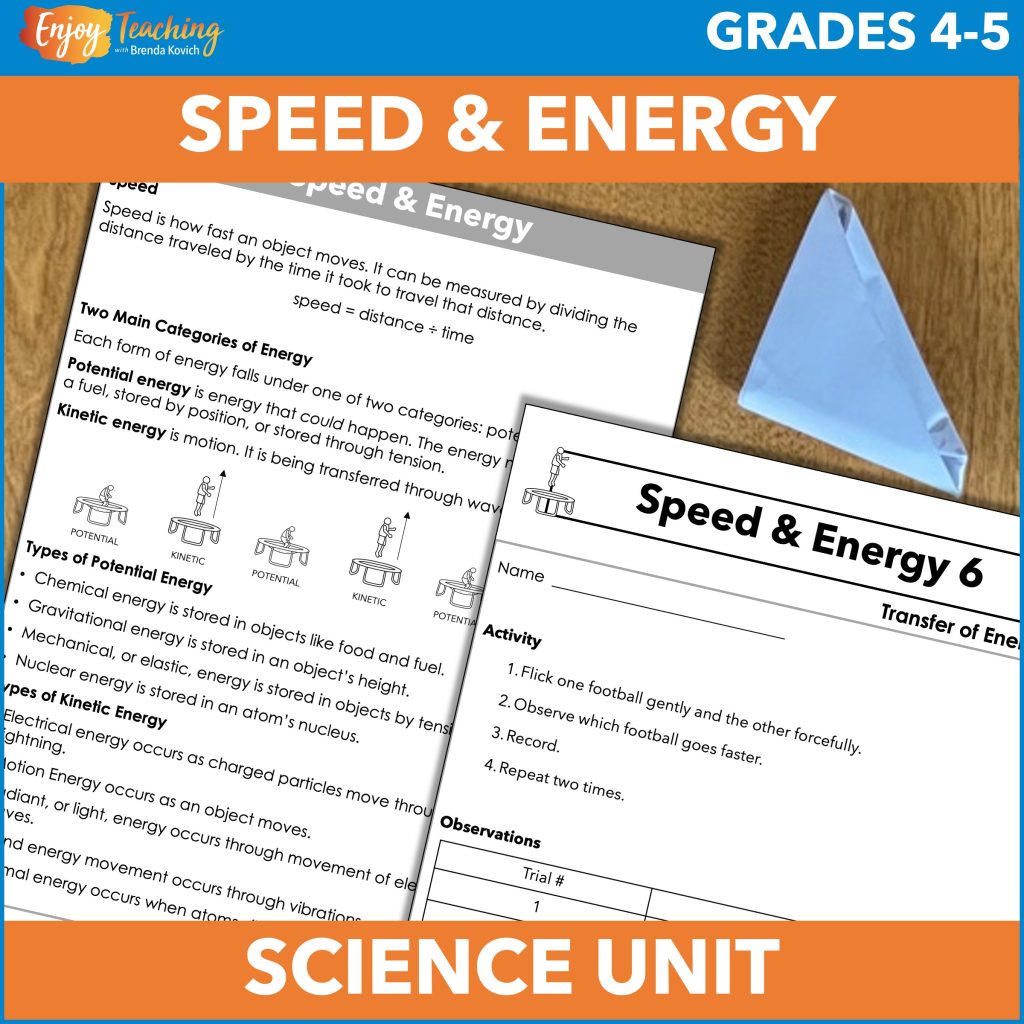
4-PS3-1. Use evidence to construct an explanation relating the speed of an object to the energy of that object.
Speed & Energy – Through hands-on activities, fourth grade students construct explanations relating the speed of an object to its energy. They complete six investigations in stations or as stand-alone labs. You will also receive lesson plans, review, and assessment.
Forms of Energy

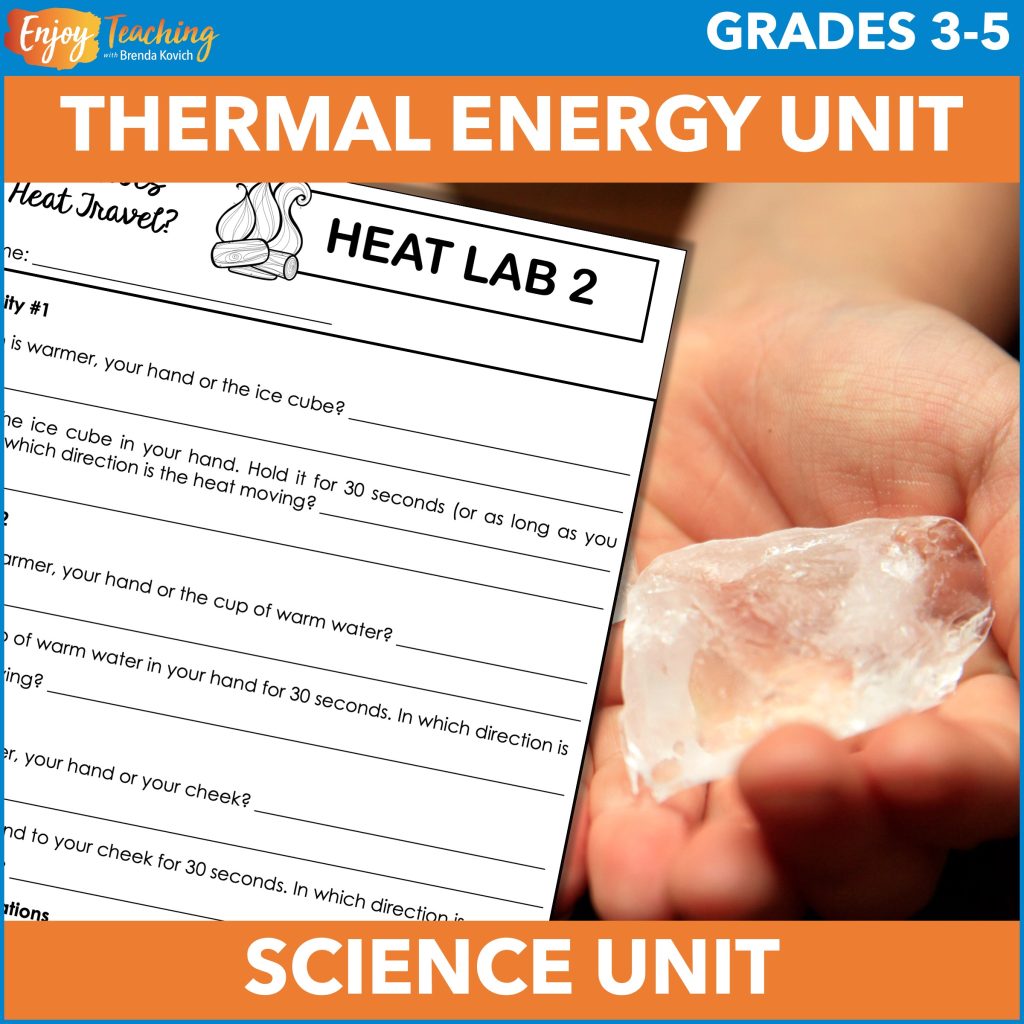
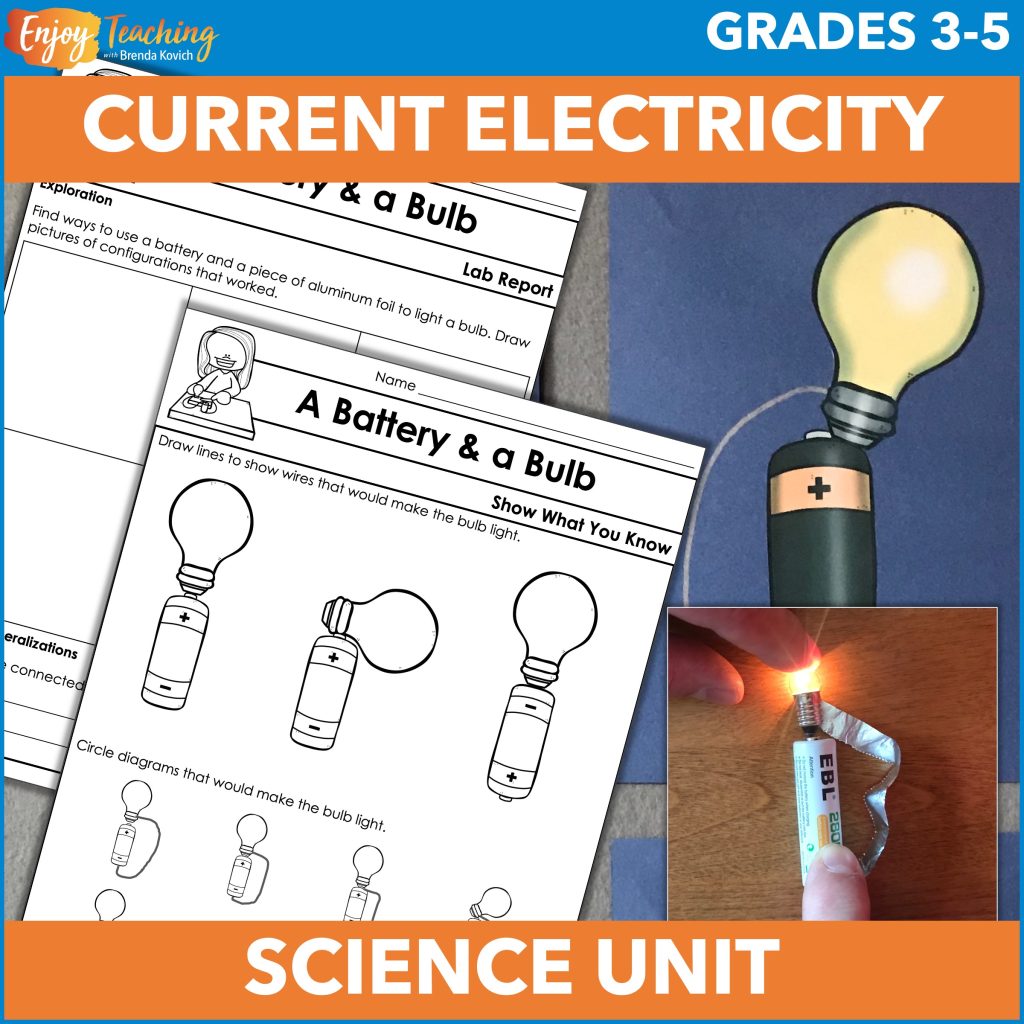
4-PS3-2. Make observations to provide evidence that energy can be transferred from place to place by sound, light, heat, and electric currents.
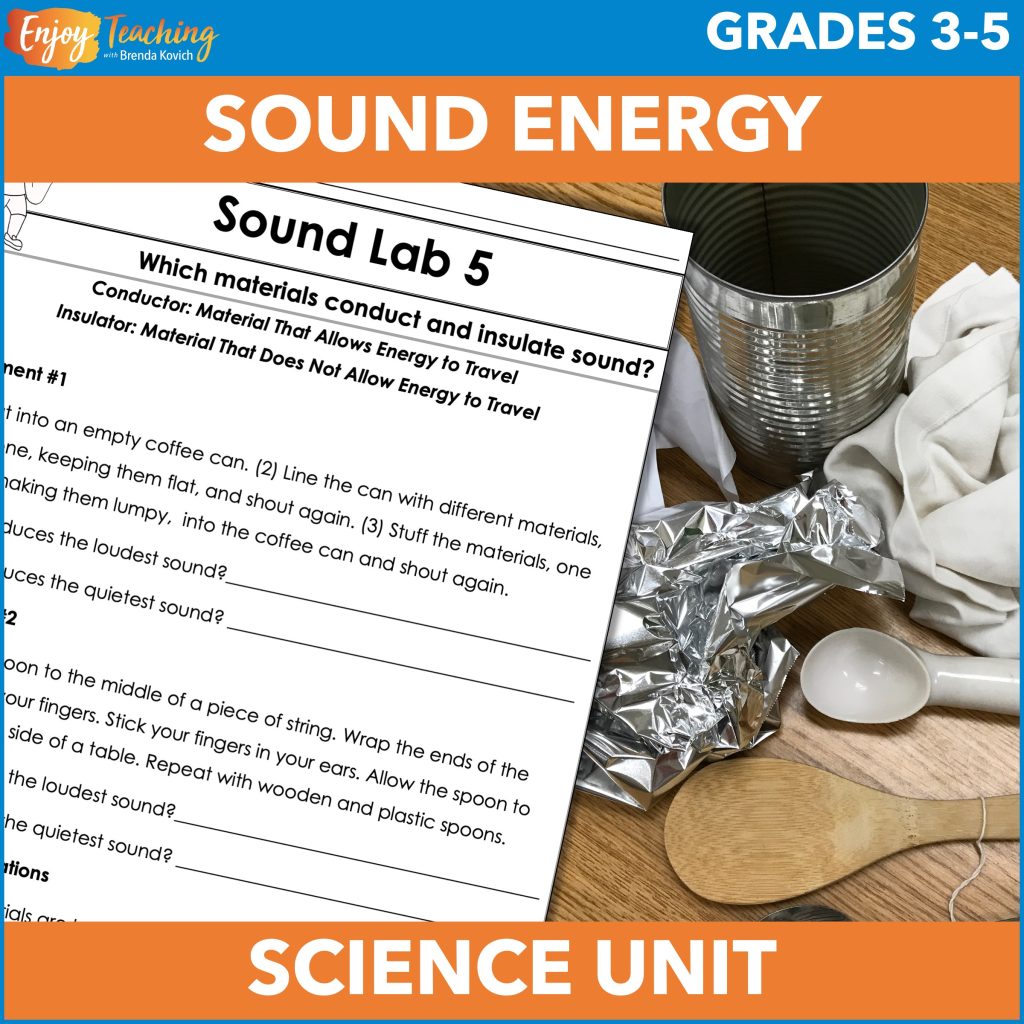
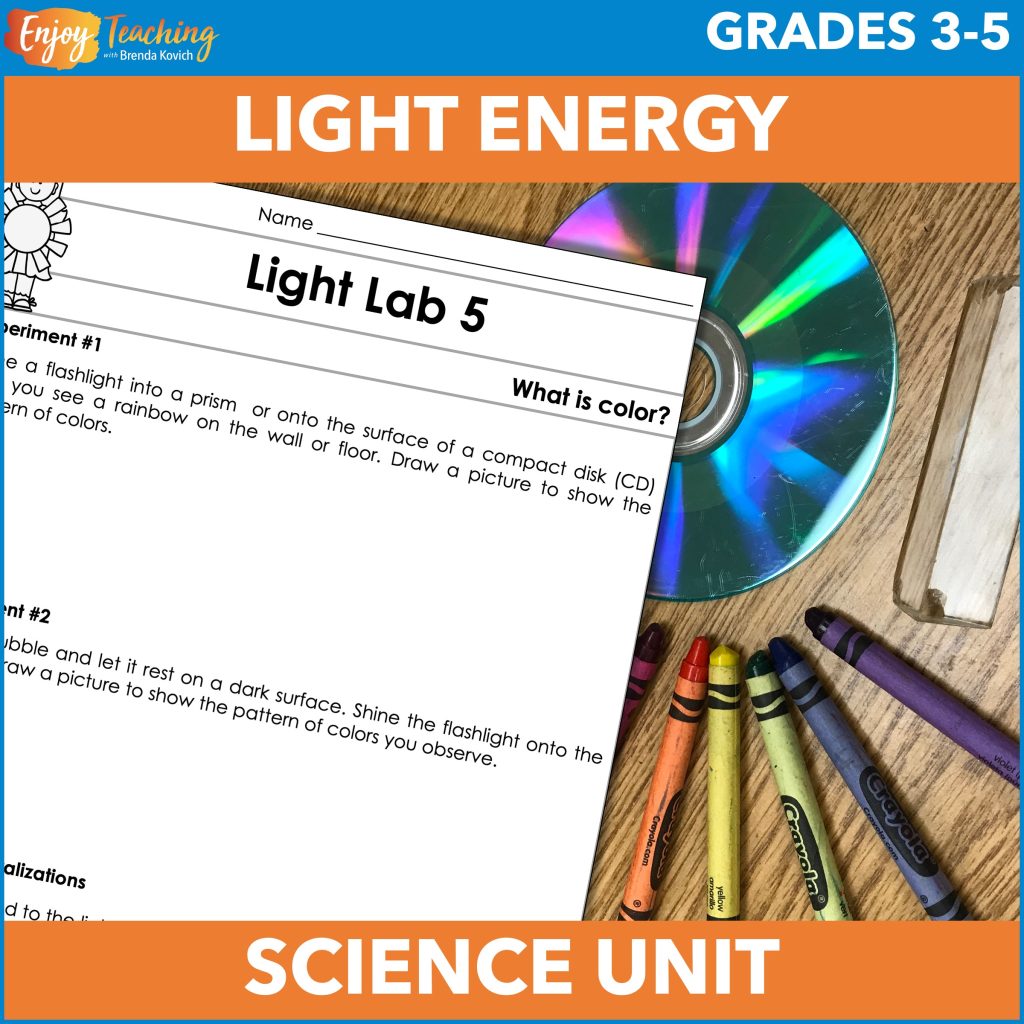
Forms of Energy Bundle – Four complete units offer dozens of hands-on activities, stations, and science experiments. Kids explore forms of energy: light (radiant), sound (acoustic), heat (thermal), and electricity (electrical). Anchor charts, review, assessment, and video links provide additional support.
You can purchase individual resources (shown below) or as a bundle for 20% off.
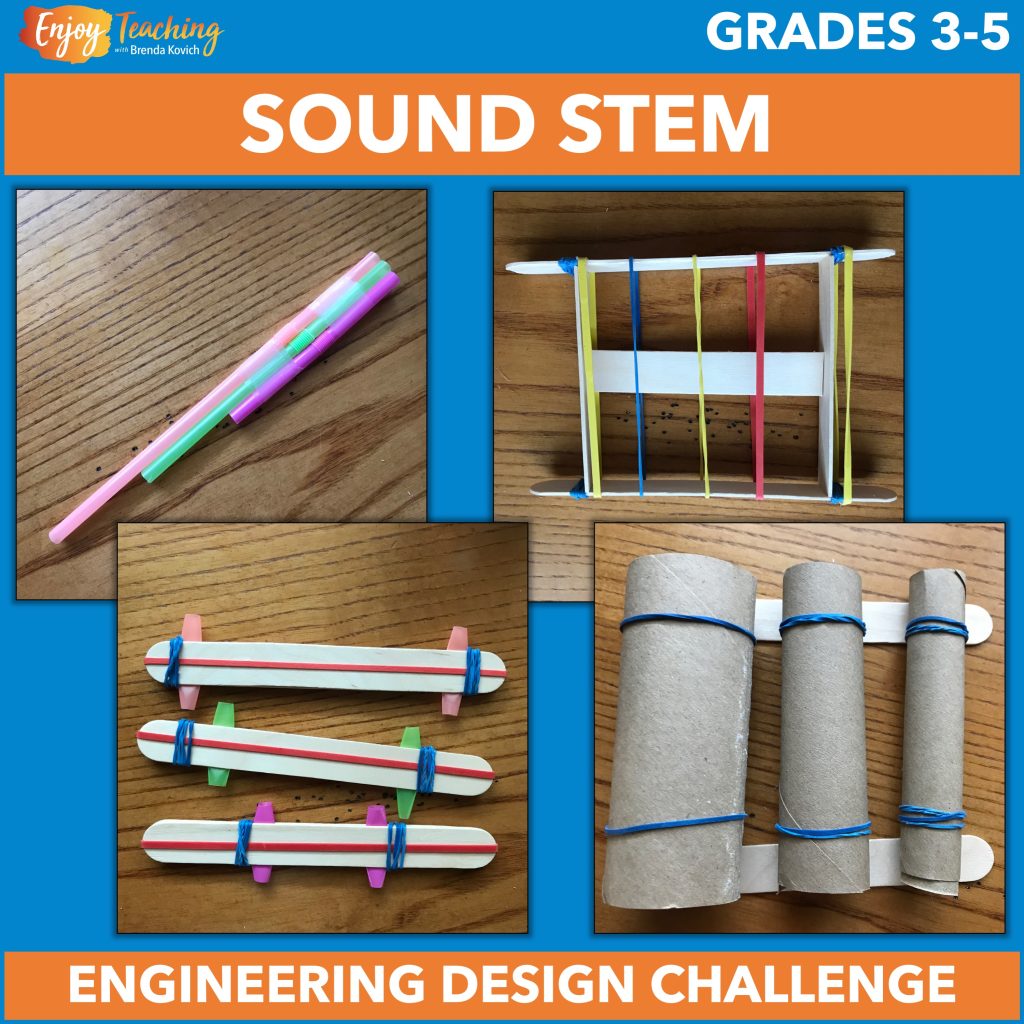
4-PS3-4. Apply scientific ideas to design, test, and refine a device that converts energy from one form to another.
Sound STEM Activity – Using simple materials, kids design musical instruments that produces high, medium, and low pitches, converting kinetic to sound energy.
You’ll find this activity inside the sound unit.
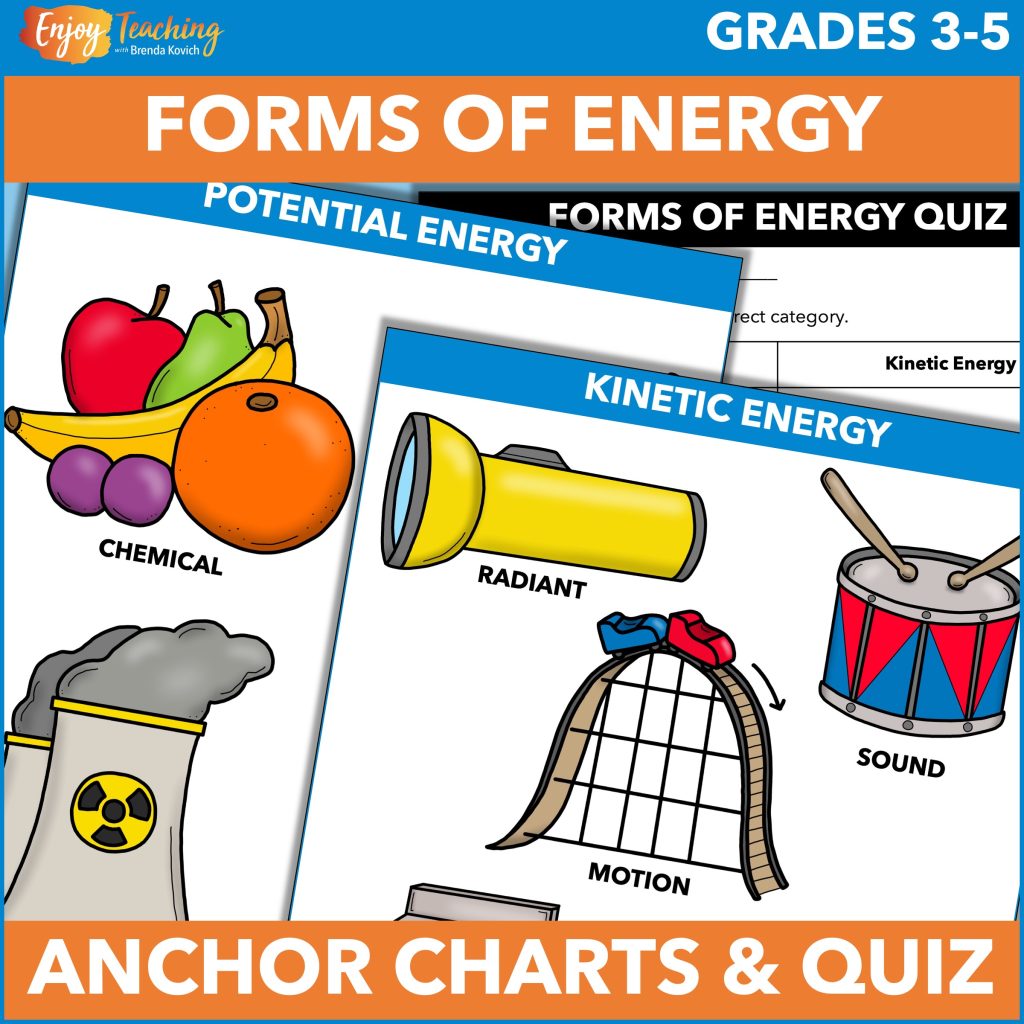
Forms of Energy Support Materials – Colorful posters (anchor charts), flashcards, and a quiz support your energy activities. Kids discriminate between potential (chemical, mechanical, nuclear, gravitational) and kinetic (radiant, thermal, motion, sound, electrical).
Collisions
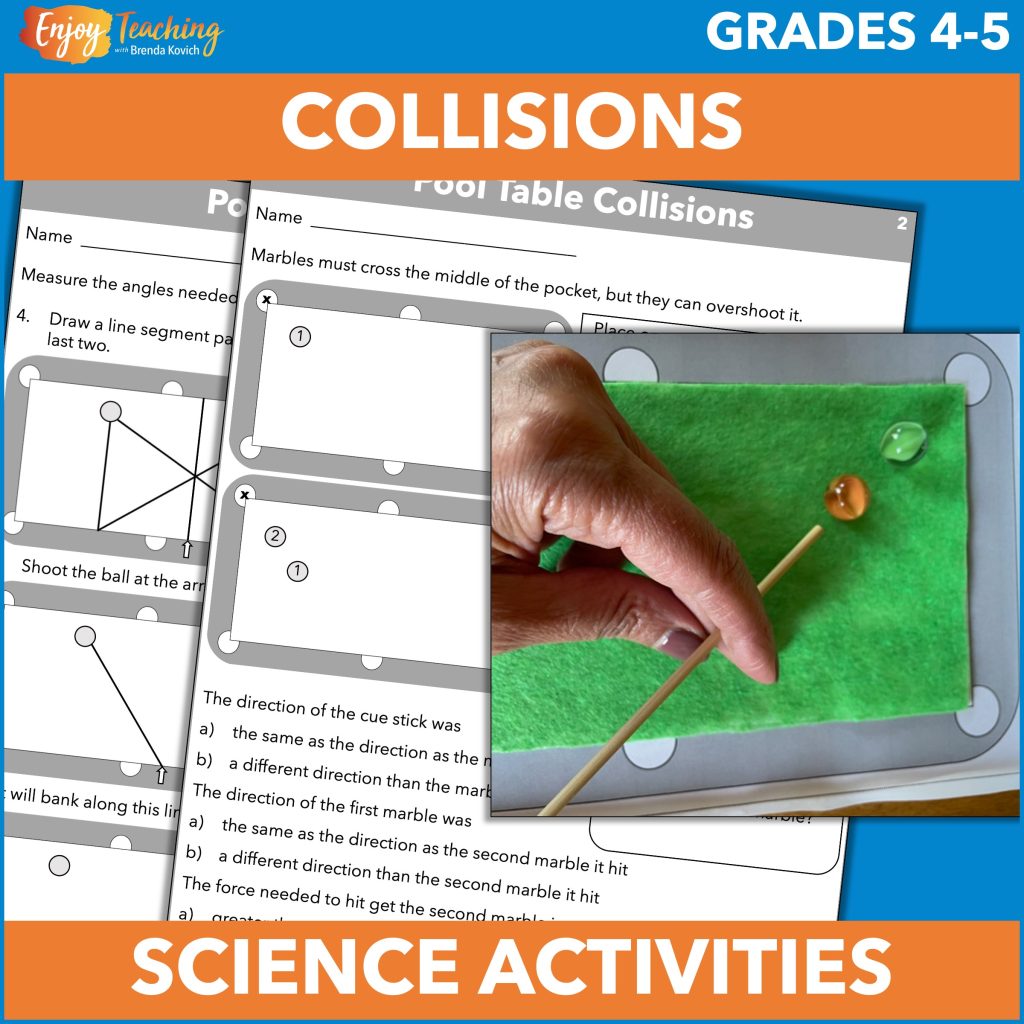
4-PS3-3. Ask questions and predict outcomes about the changes in energy that occur when objects collide.
Collisions – Students build their own mini pool tables and experiment with collisions. Additional templates allow you – and your students – to create your own questions related to changes in form, direction, and speed when objects collide. An additional section asks students to use protractors to measure angles for bank shots.
Natural Resources
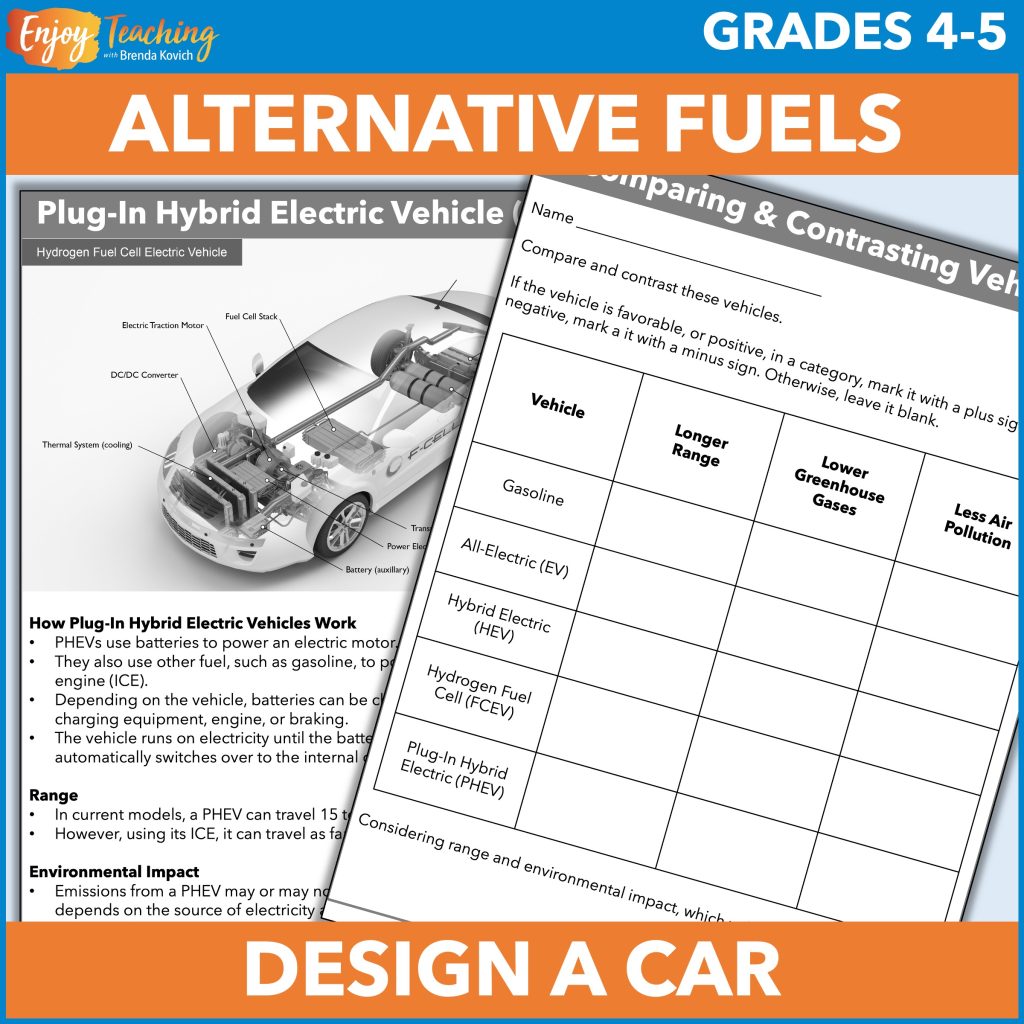
4-ESS3-1. Obtain and combine information to describe that energy and fuels are derived from natural resources and their uses affect the environment.
Fossil Fuels & Cars – Have some serious fun with cars and energy use! In this activity, students research or read about alternative fuels and compare them. As a culmination to the project, they design their own “green” vehicles.
New York Science Curriculum Activities for Waves and Information
The fourth grade New York curriculum on waves includes science and engineering activities, as well as patterns used in information technology.
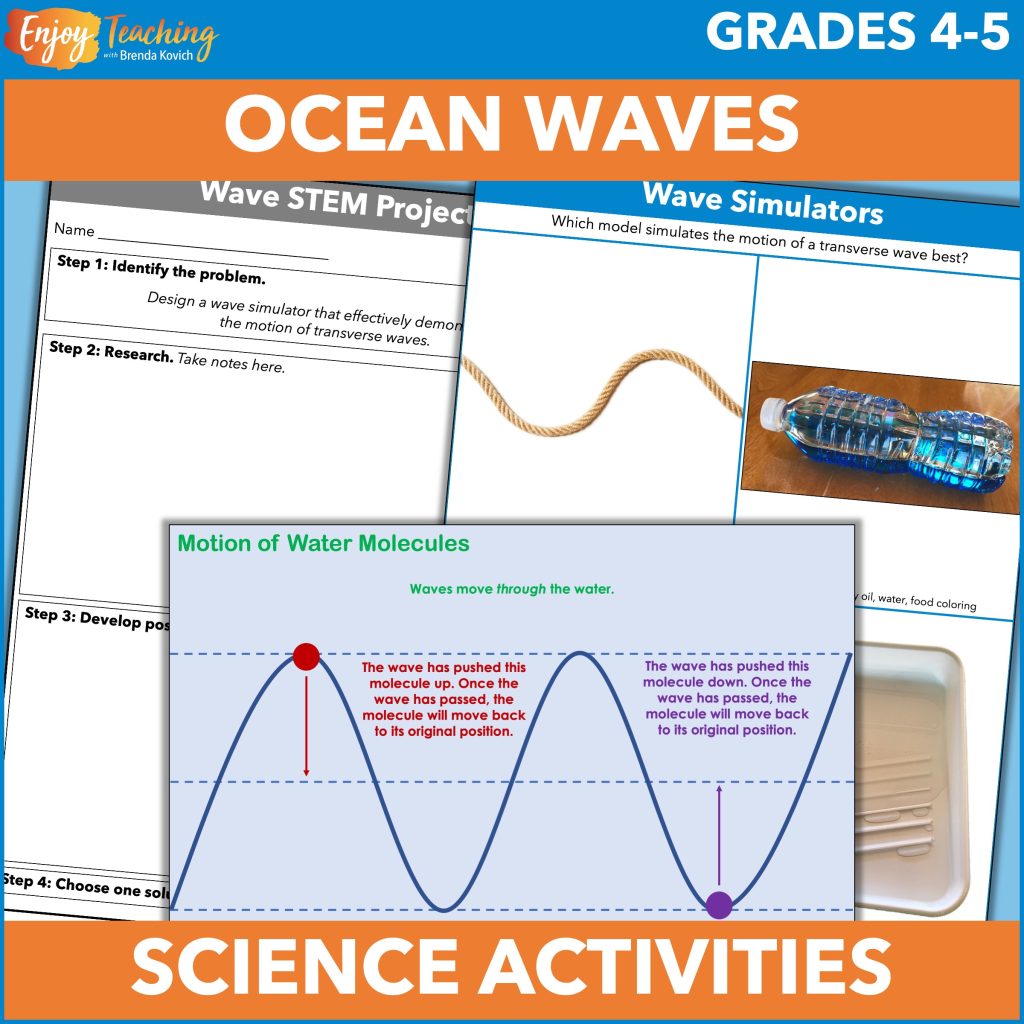
4-PS4-1. Develop and use a model of waves to describe patterns in terms of amplitude and wavelength and that waves can cause objects to move.
Ocean Waves Simulator – After learning about motion in the ocean, fourth grade students use the engineering design process to build their own simulators. This STEM challenge focuses on transverse waves.

4-PS4-3. Generate and compare multiple solutions that use patterns to transfer information.
Patterns Transfer Information – Students explore Morse and binary codes. Then they use critical thinking to evaluate the most effective ways to transfer information, brainstorm how people use patterns in everyday life, and develop solutions.
New York Science Curriculum Activities for Structure, Function, and Information Processing
In this section of the New York science curriculum, kids explore plant and animal structures through a variety of engaging science and ELA activities.

4-PS4-2. Develop a model to describe that light reflecting from objects and entering the eye allows objects to be seen.
The Eye, Light, and Vision – Five science activities help fourth grade students conceptualize how vision is only possible when light reflects off of an object. Additionally, they learn parts of the eye and compare them to a camera’s parts. Kids develop models to illustrate the concept. As a culmination or assessment, a worksheet asks them to label parts of the eye and explain what is necessary to see.
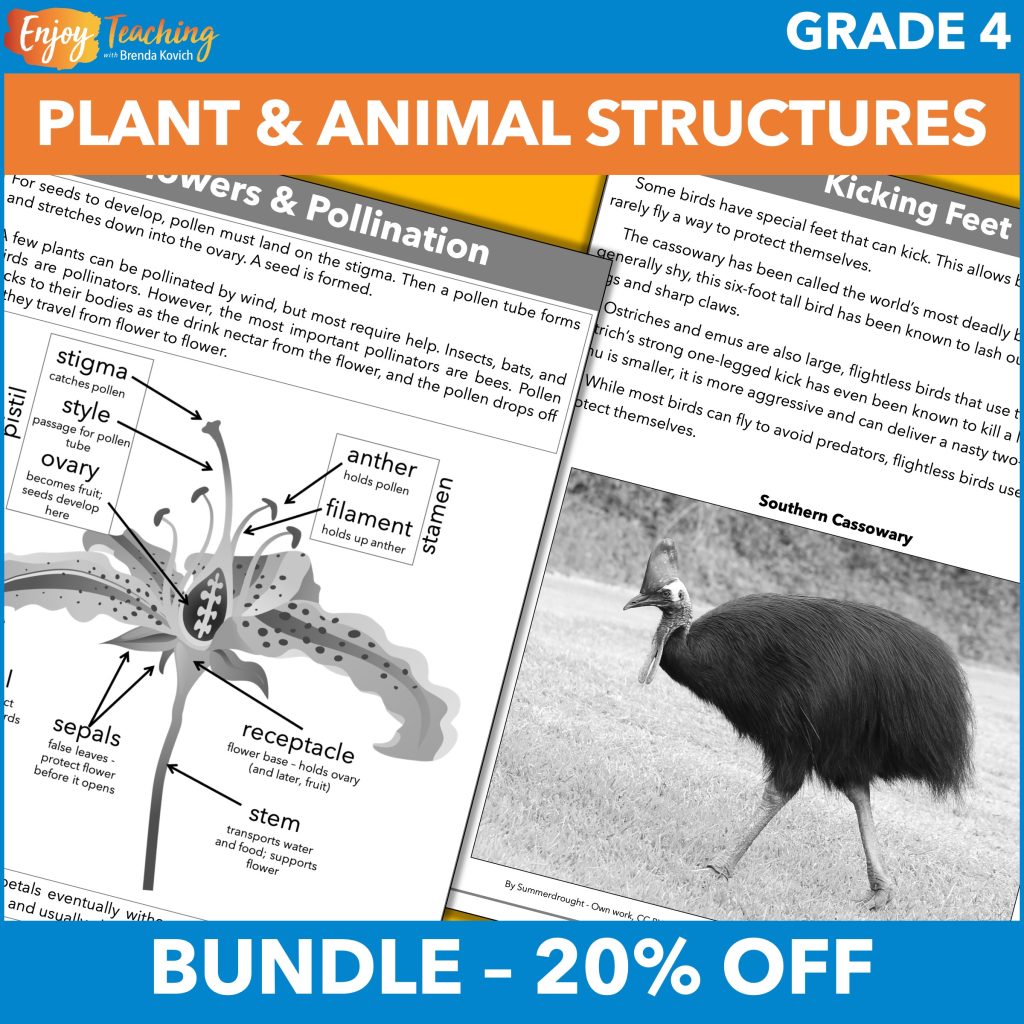
4-LS1-1. Construct an argument that plants and animals have internal and external structures that function to support survival, growth, behavior, and reproduction.
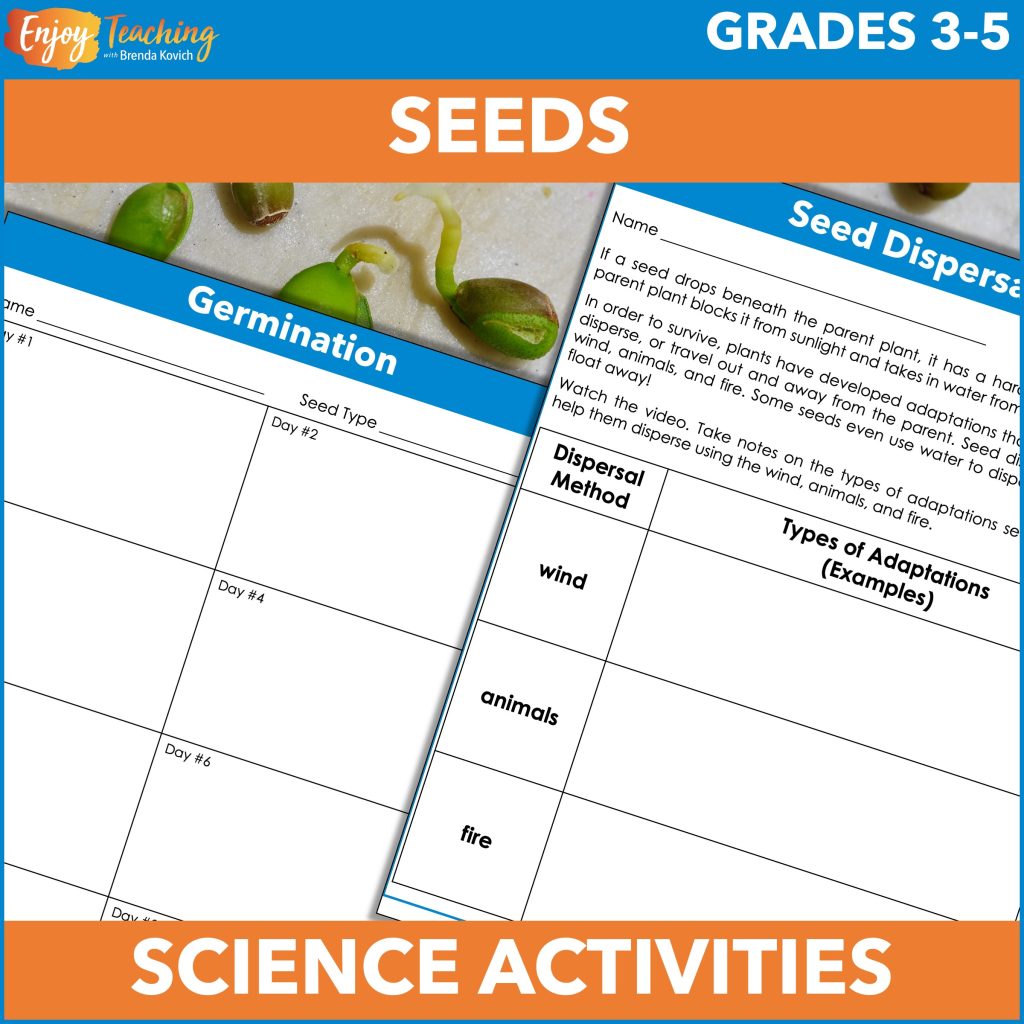
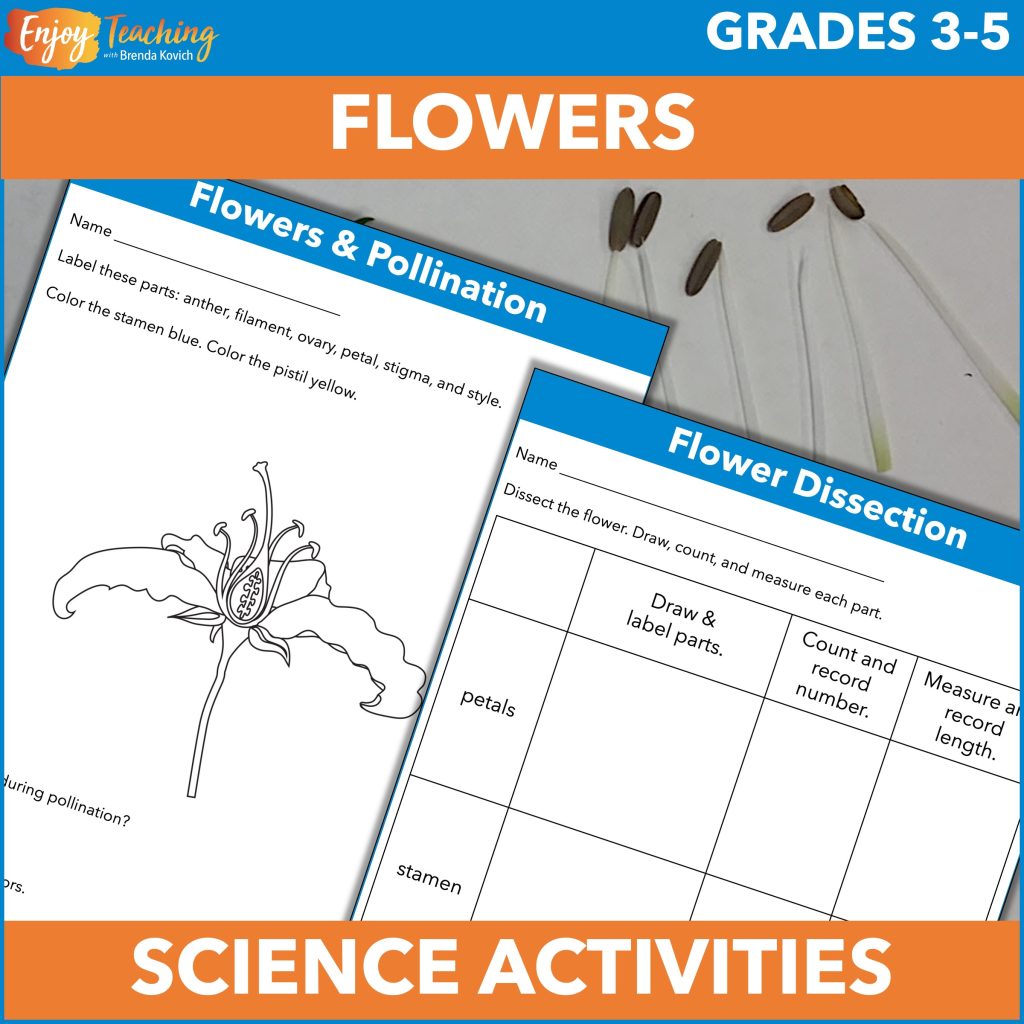
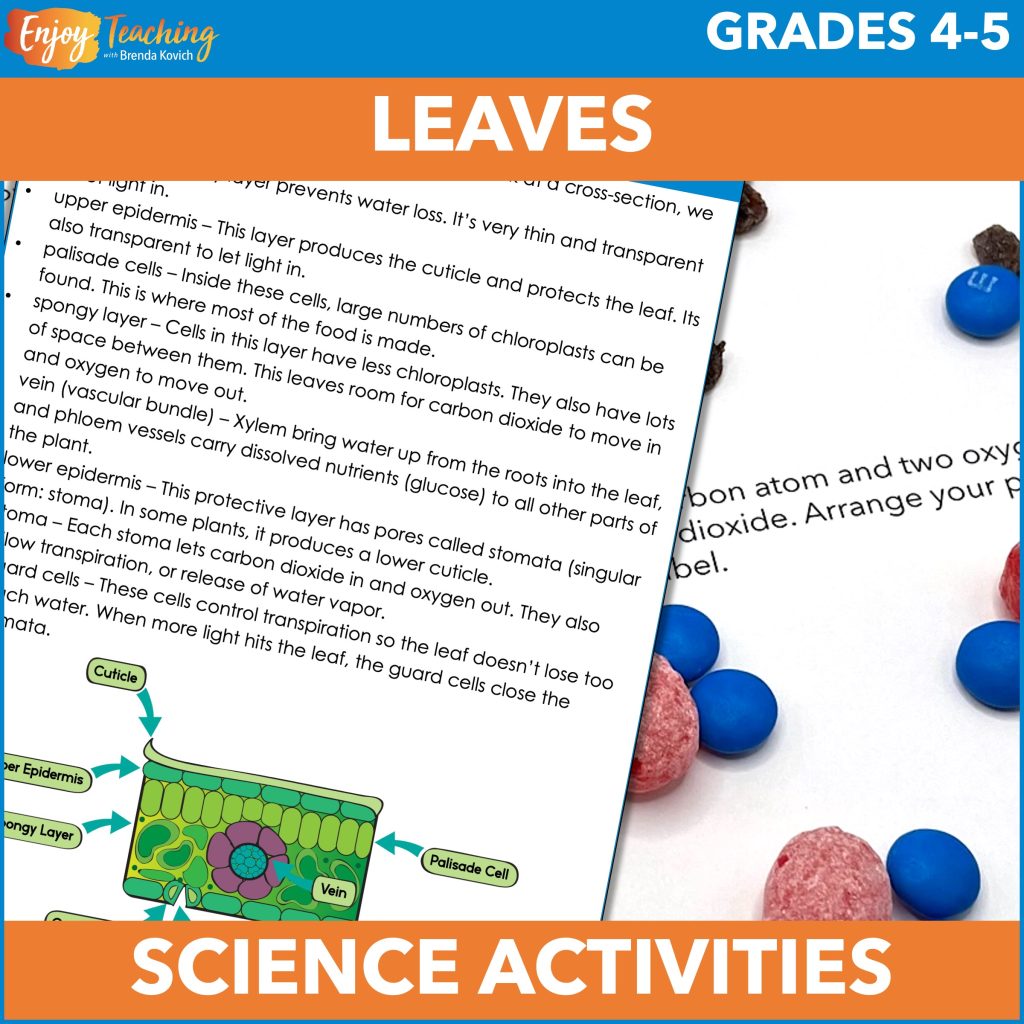
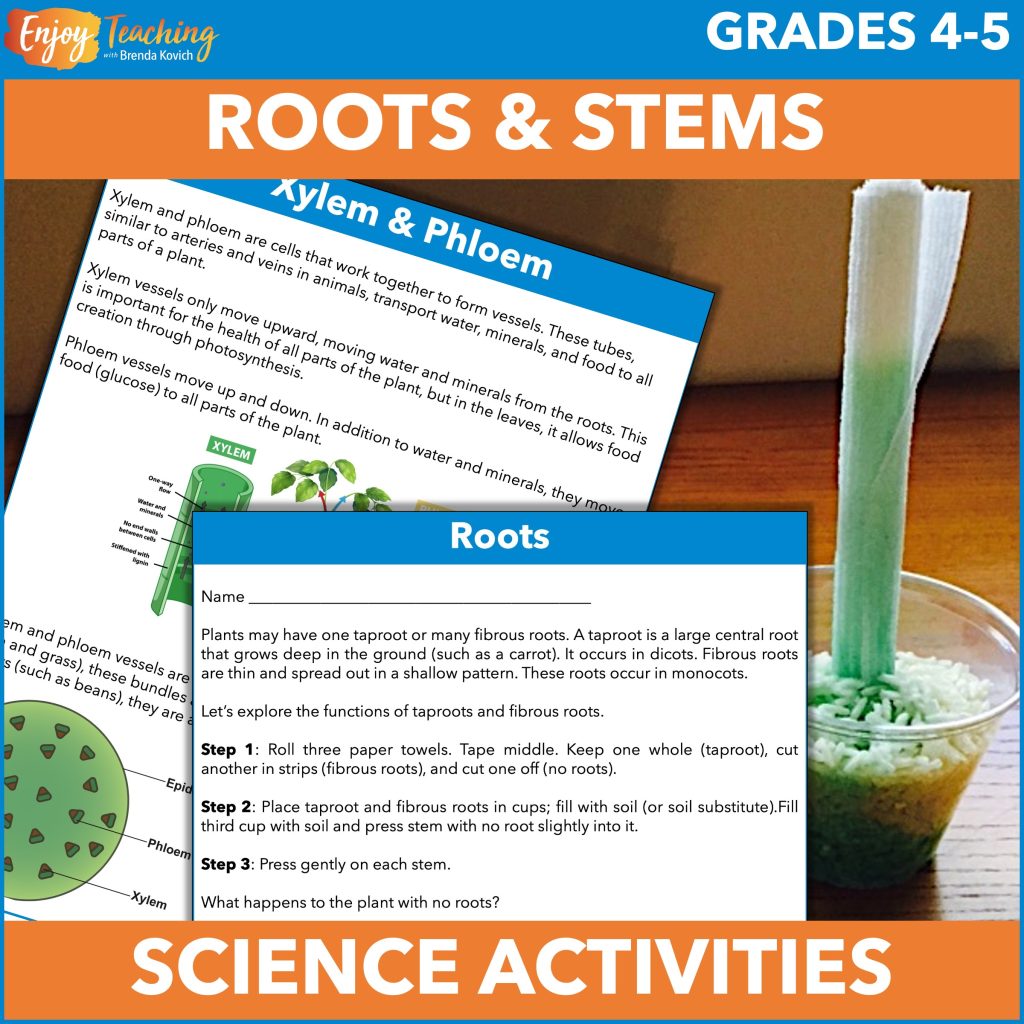
Plant and Animal Structures – Explore plant and animal structures with dozens of engaging science curriculum activities. Fourth grade students examine how internal and external parts of flowering plants and birds support survival.
You can purchase individual resources (shown below) or as a bundle for 20% off.
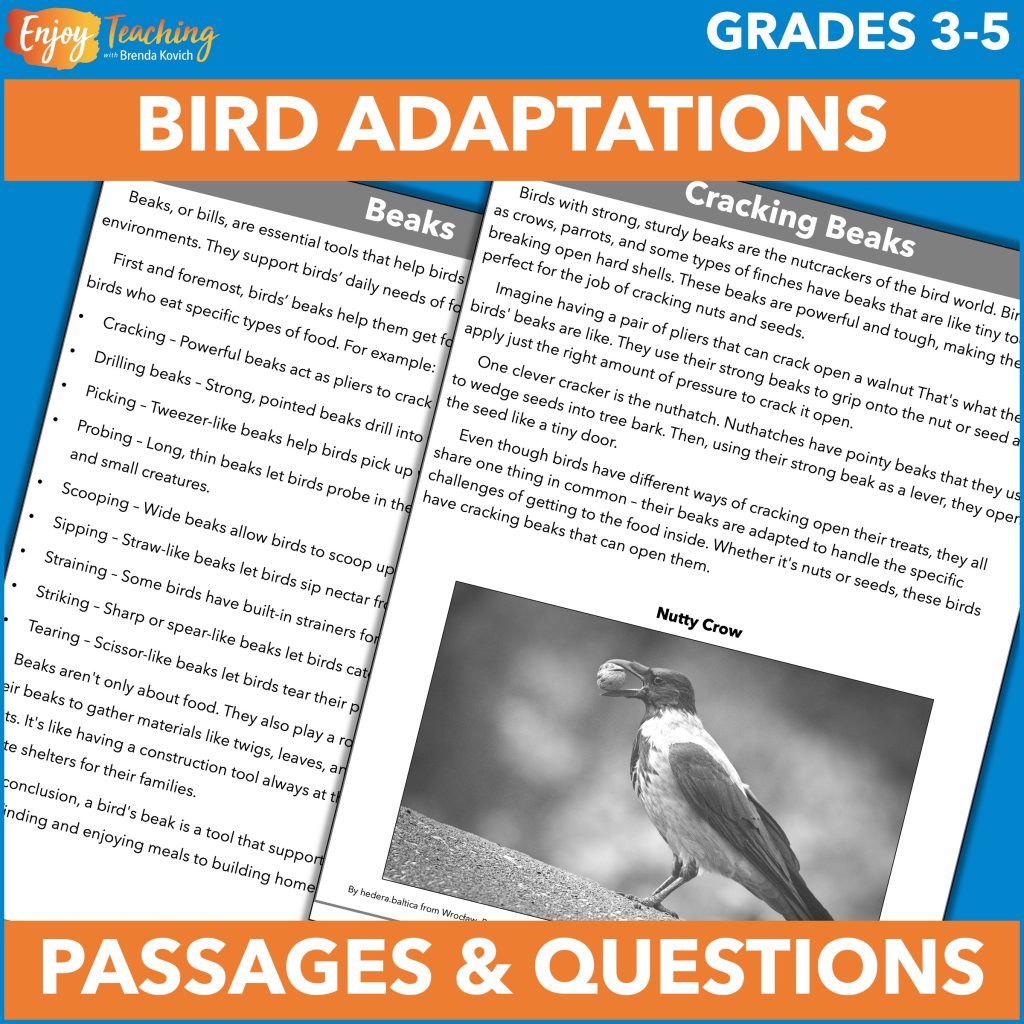
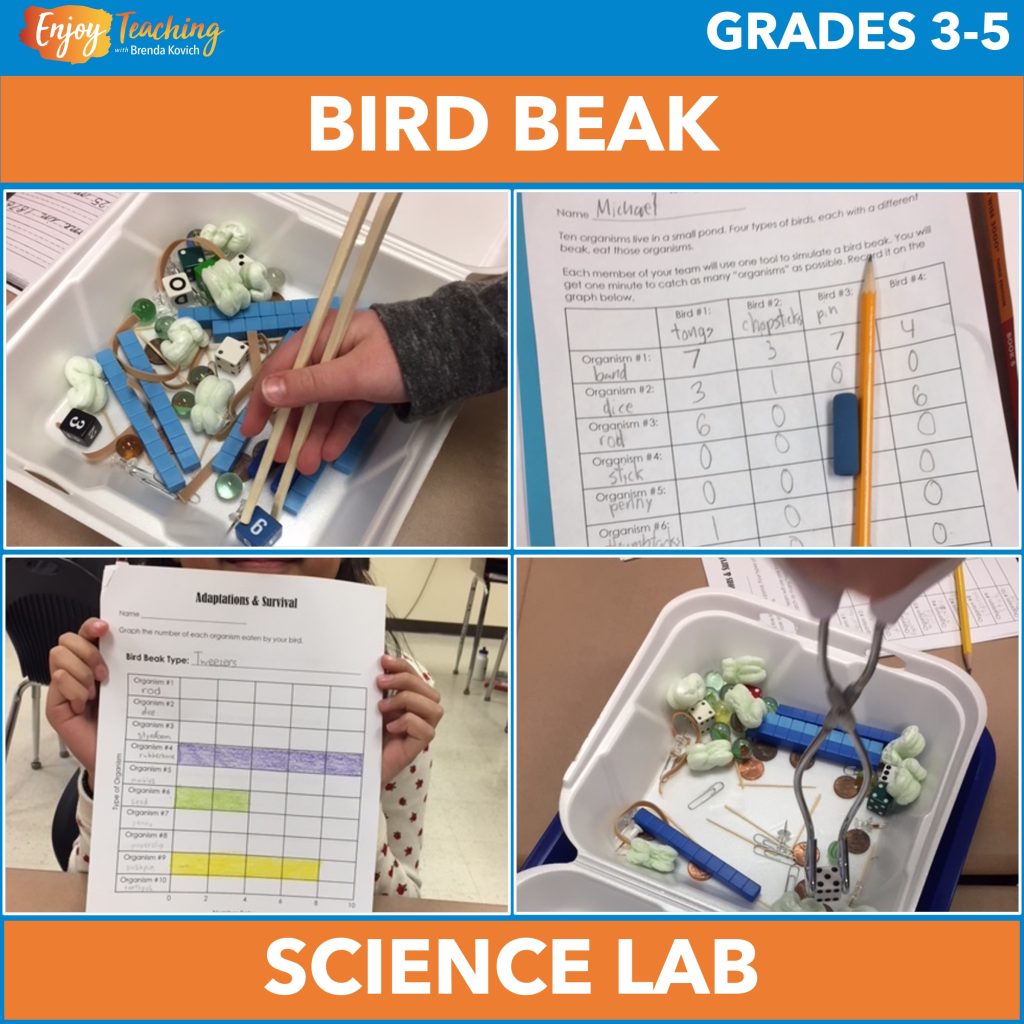
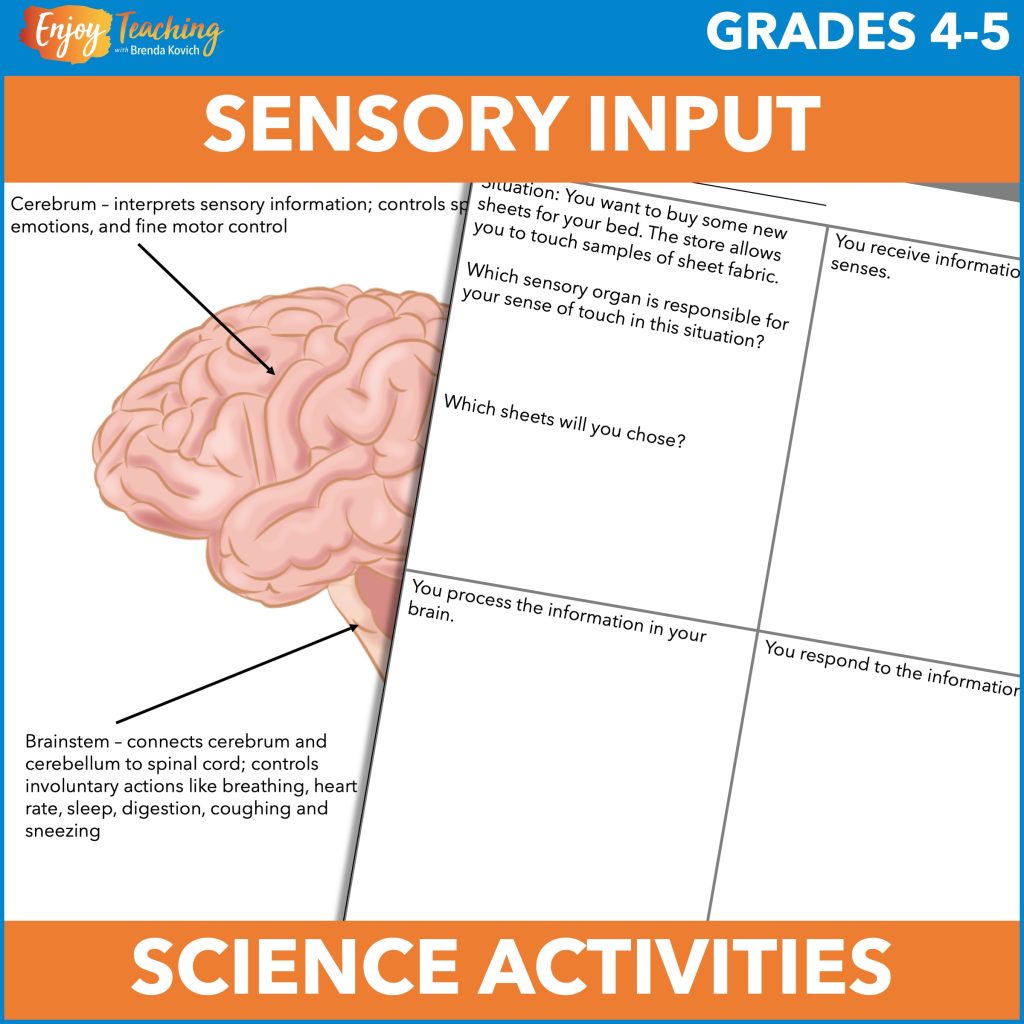
4-LS1-2. Use a model to describe that animals receive different types of information through their senses, process the information in their brain, and respond to the information in different ways.
Senses and the Brain – First, students learn about the nervous system, brain, and reflex actions. Then they analyze 20 situations to explain how an animal receives, processes, and responds to information from its senses.
New York Science Curriculum Activities for Earth’s Systems
In this section of the New York science curriculum, kids investigate rock formations and fossils, weathering and erosion, Earth’s features, and natural disasters. A variety of science and engineering activities engage them in hands-on learning.

4-ESS1-1. Identify evidence from pattens in rock formations and fossils in rock layers to support an explanation for changes in a landscape over time.
Fossil Record & Evidence in Rocks – Students explore rock formations and fossil evidence to explain changes over time. Science curriculum activities, text with images, worksheets, and a test let kids explore fossil types, simulate records in the layers, and analyze organisms found in sedimentary rocks.
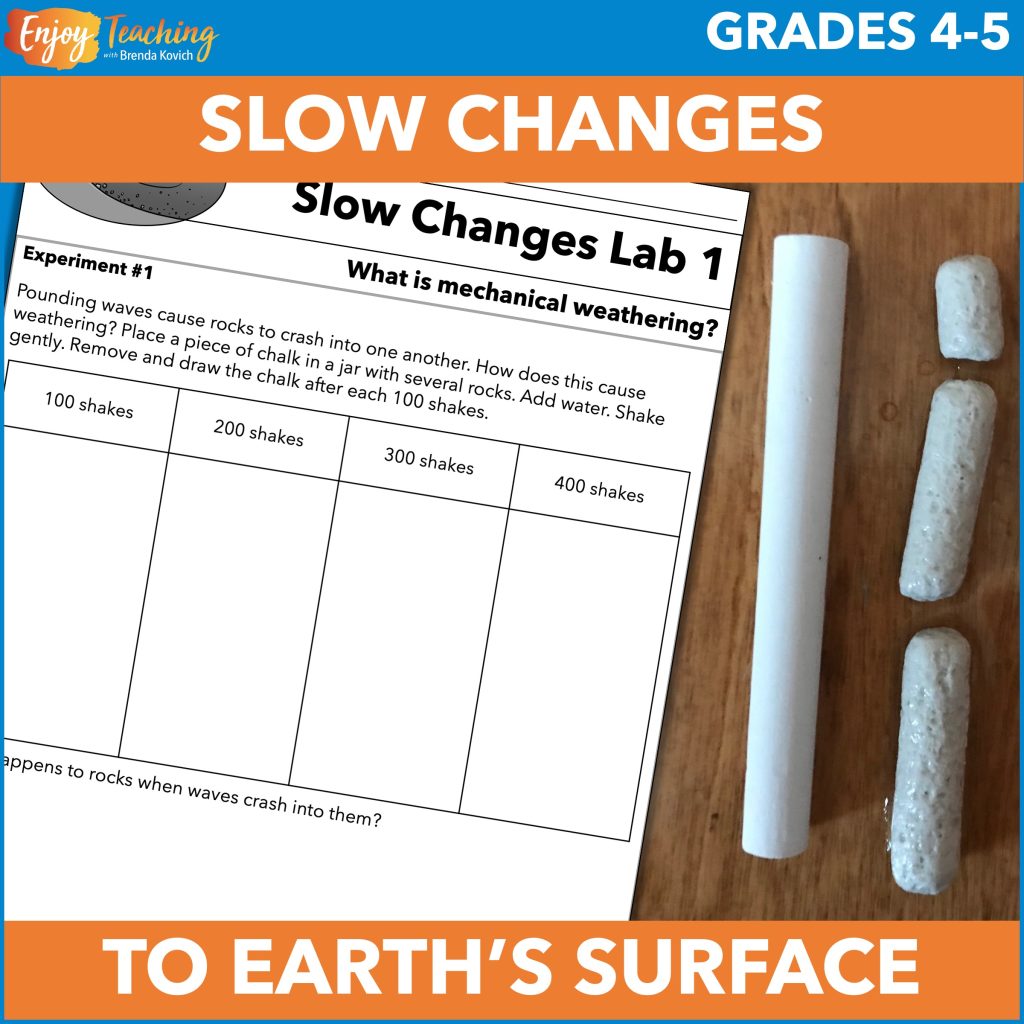
4-ESS2-1. Make observations and/or measurements to provide evidence of the effects of weathering or the rate of erosion by water, ice, wind, or vegetation.
Slow Changes to Earth’s Surface – Engage your kids with six hands-on labs that simulate slow changes to Earth’s surface! Follow up with worksheets or sorting to discriminate between weathering, erosion, and deposition. Materials also include review and assessment.
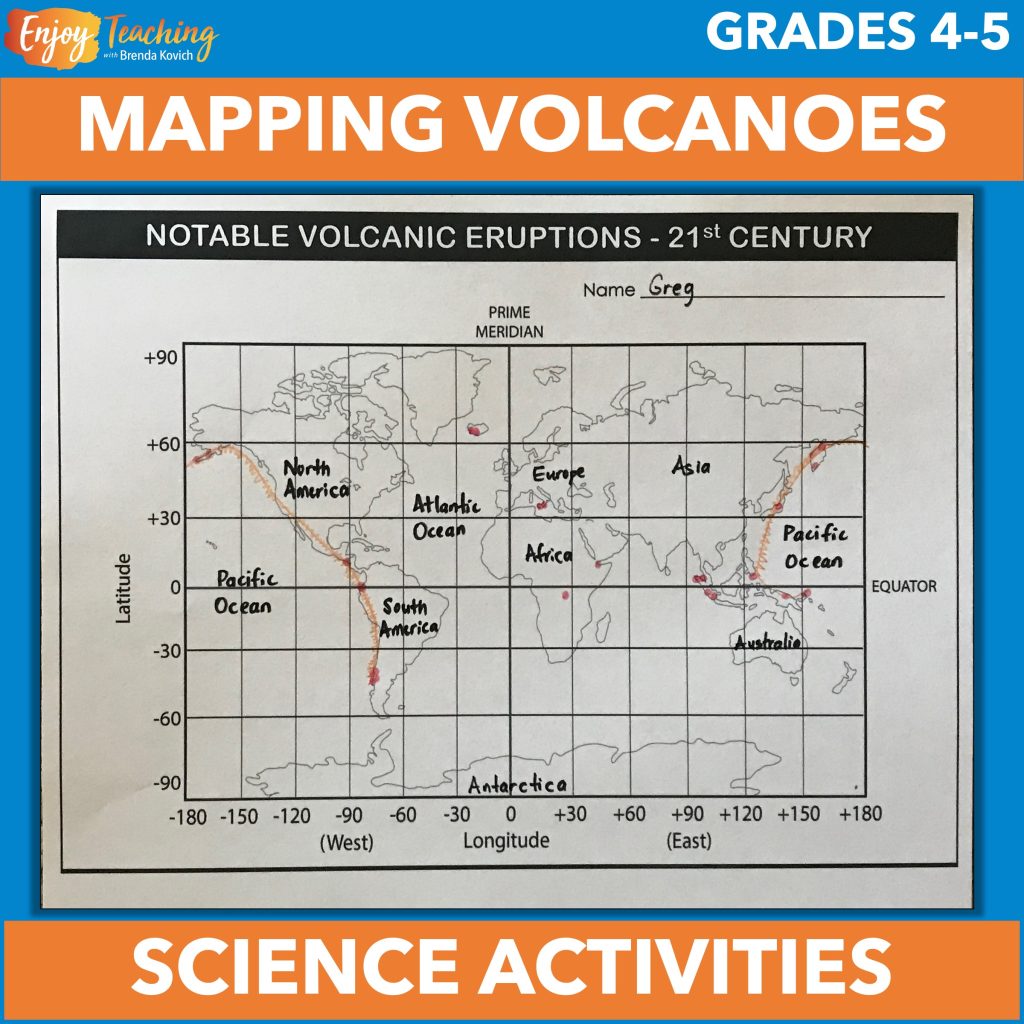
4-ESS2-2. Analyze and interpret data from maps to describe patterns of Earth’s features.
Mapping Volcanoes – A variety of volcano projects engage kids in mapping, measuring, research, and more. This set includes a blank world map with latitude and longitude lines, two tables of information about recent volcanic activity, terminology, directions, template for investigation, and 50 cards for student assignments, sorting, etc.
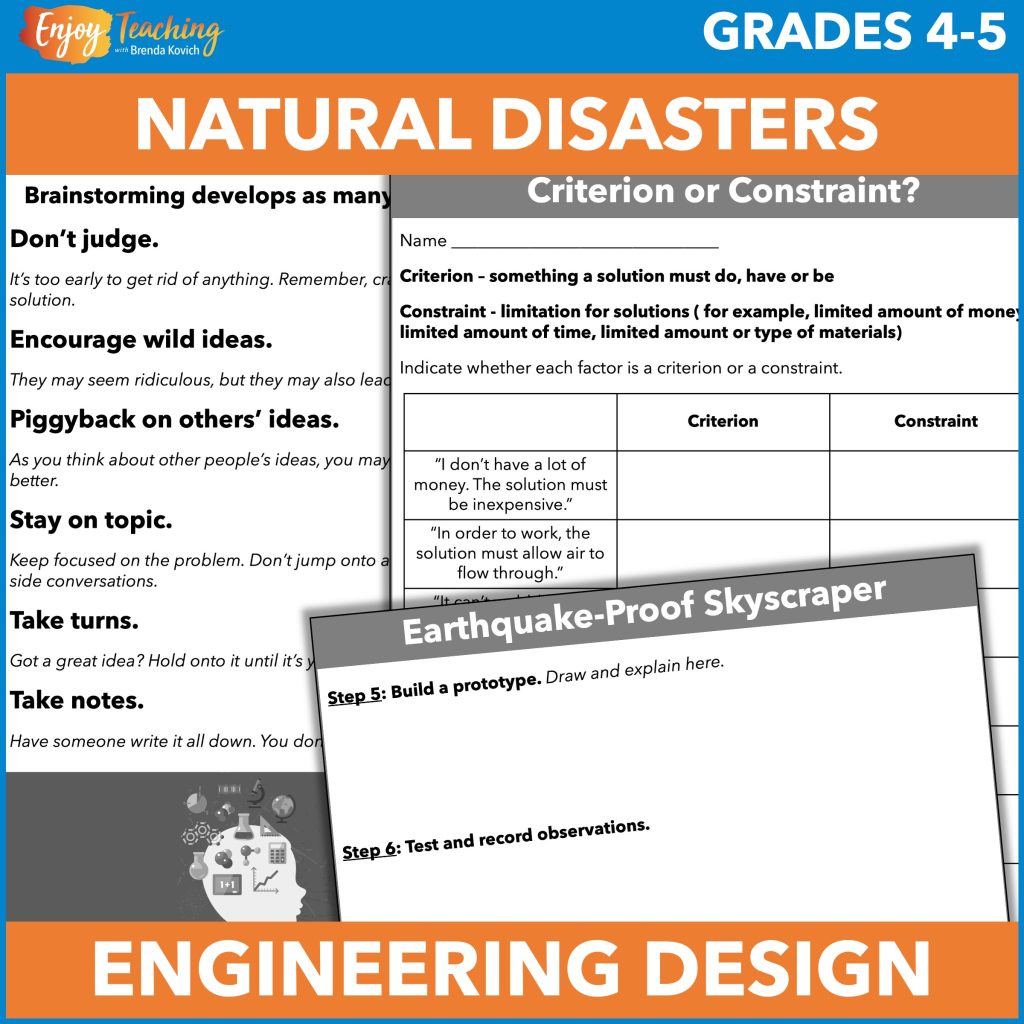
4-ESS3-2. Generate and compare multiple solutions to reduce the impacts of natural Earth processes on humans.
Natural Disasters & the Engineering Design Process – Through scaffolded lessons, fourth grade students learn to define a problem, identify criteria and constraints, brainstorm, build a prototype, design and carry out a fair test. STEM activities focus on ways to reduce impacts of floods, volcanoes, erosion, tsunamis, and earthquakes on Earth.
More Great Resources
To round out your New York science curriculum, add some experiments and STEM activities. That way, your students will have a stronger grip on science and engineering design practices. (These are not included in the science curriculum bundle.)
Science Experiments
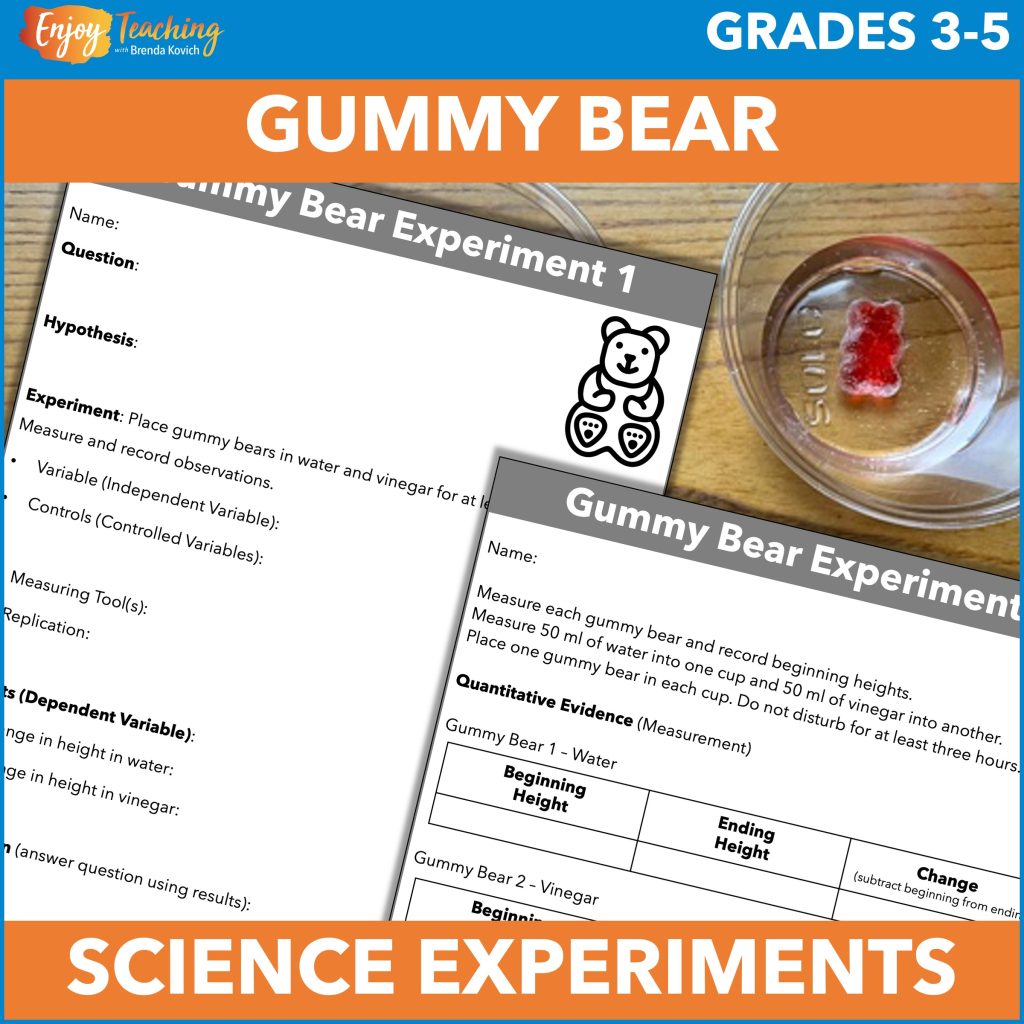
Gummy Bear Labs – This fun project uses gummy bears to teach science practices. After learning about testable questions, kids conduct an experiment that compares candy in water and vinegar. As a culmination, they design and carry out an independent scientific investigation.
For this set of activities, kids use two measurement tools: rulers and graduated cylinders.
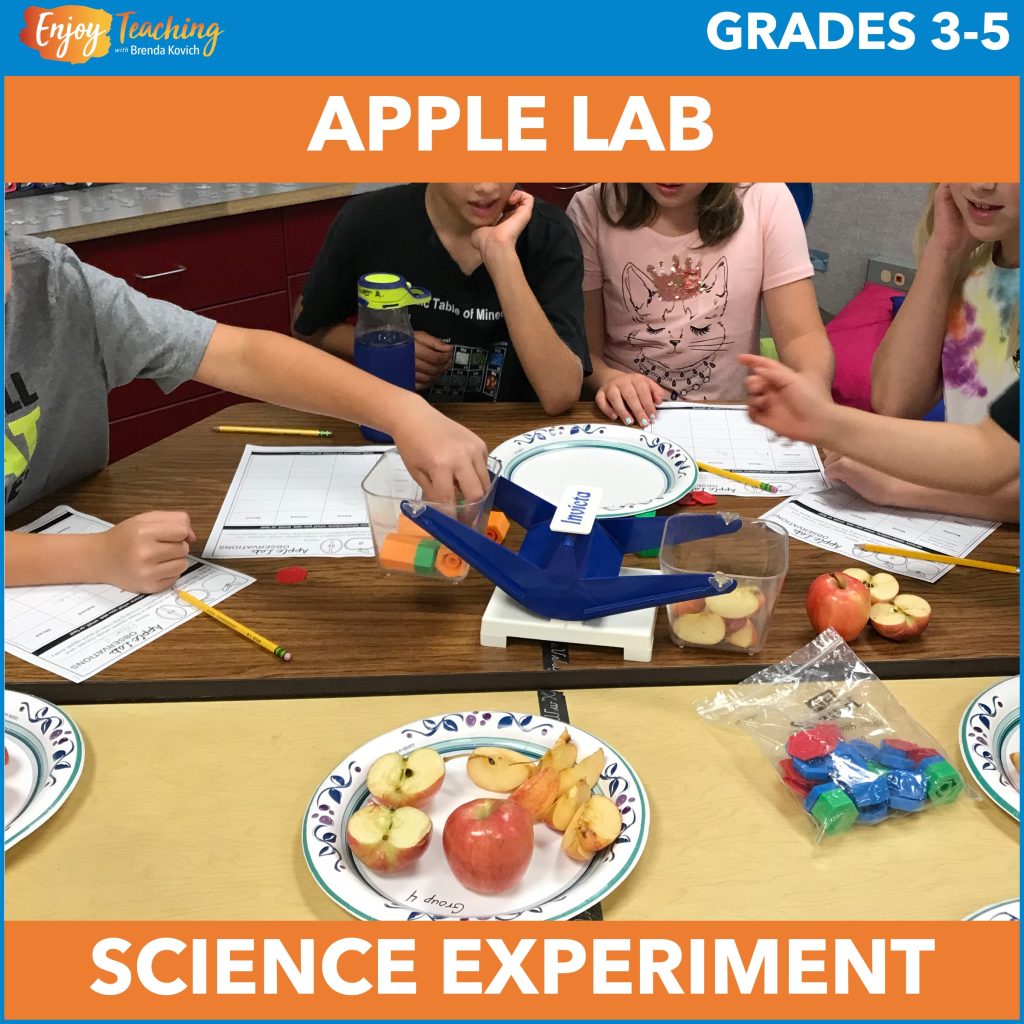
Apple Lab – Kids work in groups to conduct a science experiment. Each day for five days, they measure the mass of three apples: whole, halved, and sliced.
For this set of activities, kids measure with a balance scale and display data in graphs.
Extra Measurement Practice
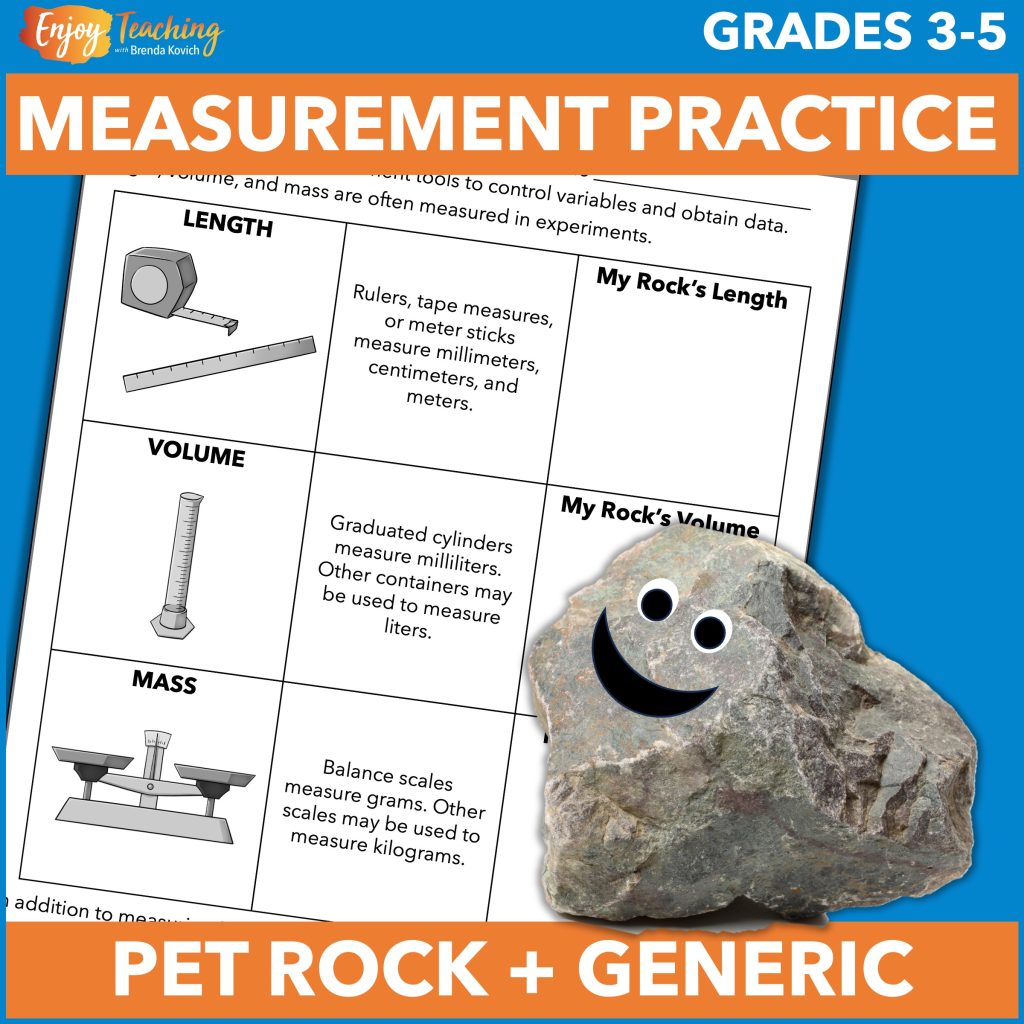
Pet Rock Measurement Stations – Introduce or reinforce metric measurement with this fun activity. Fourth grade students measure length, volume, and mass of a “pet rock.” A generic lab sheet lets them practice with other objects as well.
The Engineering Design Process
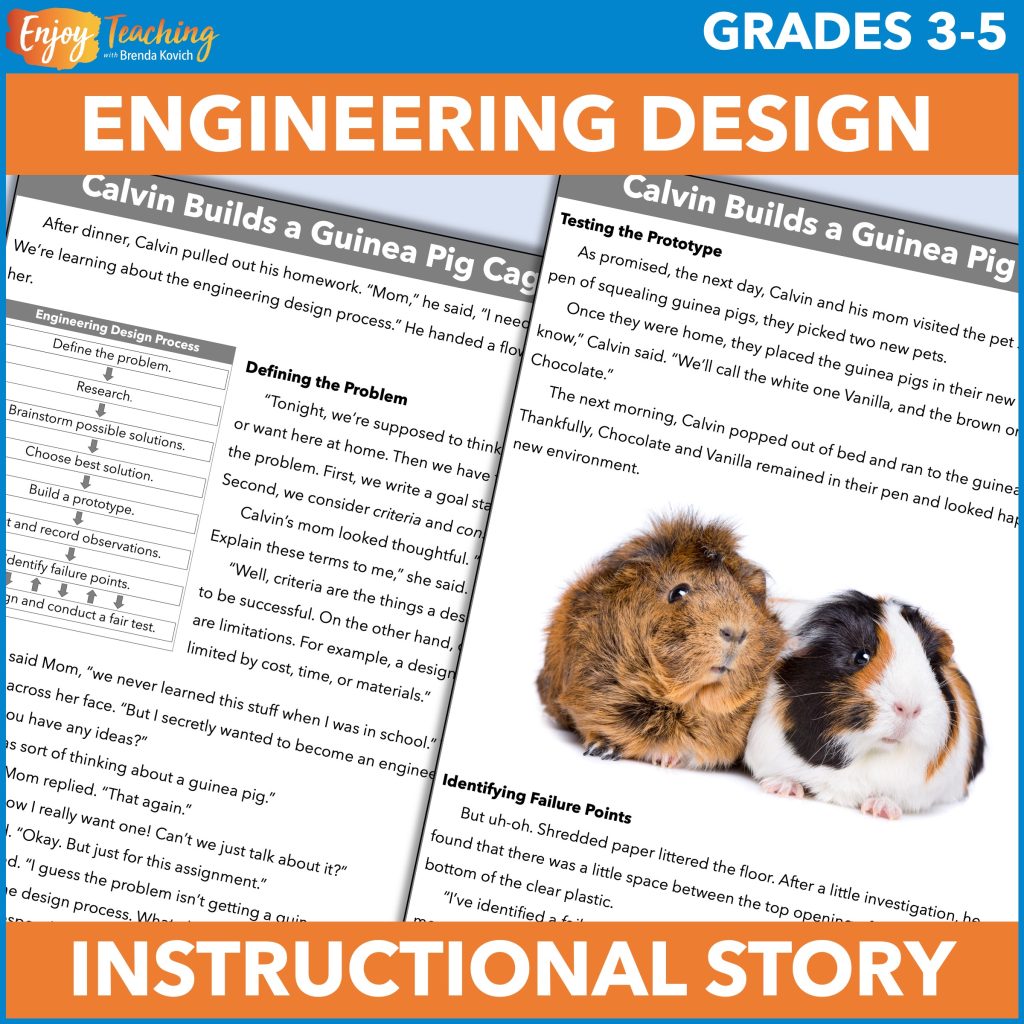
Engineering Design Introduction – Looking for a fun but serious introduction to the engineering process? Read a story! In this reading passage, a boy named Calvin builds a guinea pig cage.
A ten-page passage introduces the steps and key vocabulary. Worksheets and templates provide support.
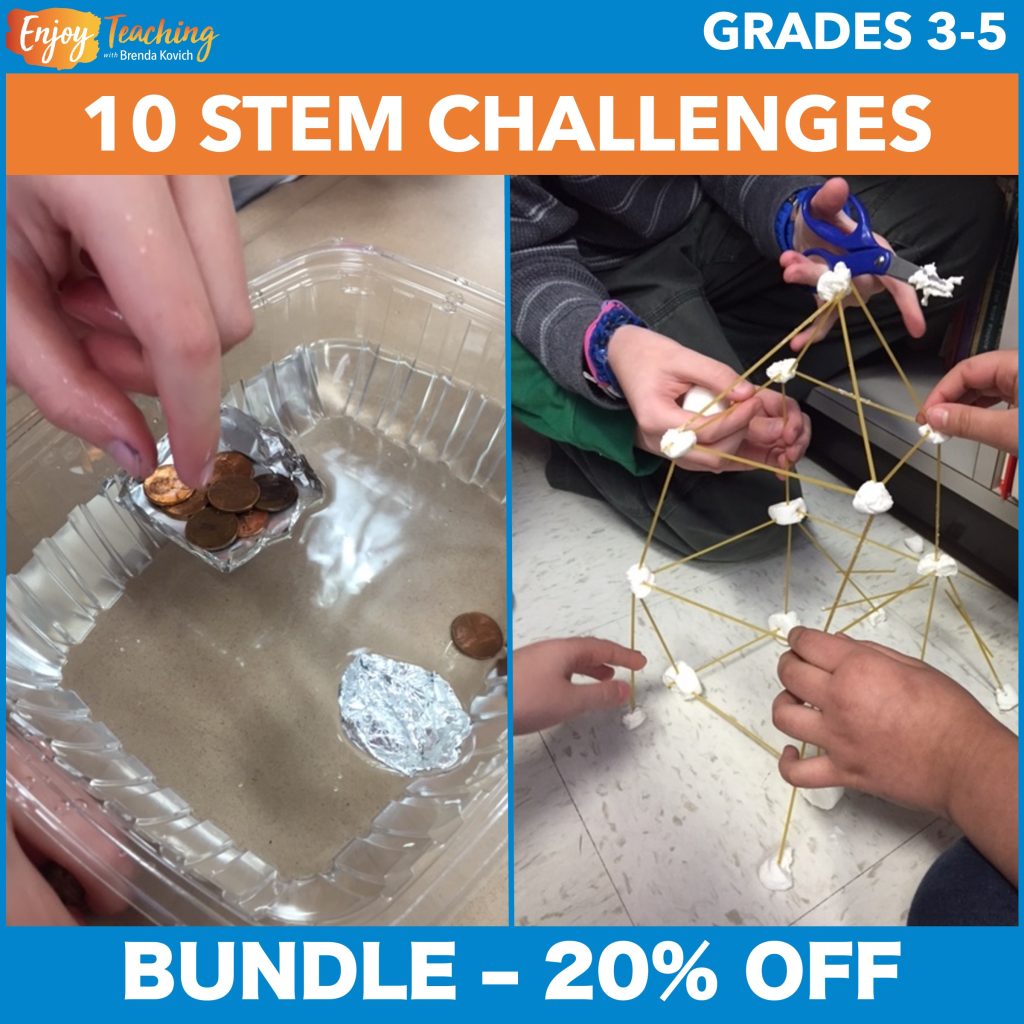
10 Engineering Design Challenges – Use engineering design challenges to get kids thinking! This STEM set offers graphic organizers that guide kids through the steps of the process. Worksheets support 10 specific projects. A blank template, review material, and a test are also included.
Enjoy Teaching
These integrated science activities will meet your New York curriculum standards and build excitement in your classroom. Your kids will love them – and so will you!